
Date
Share
Establishing Rapport
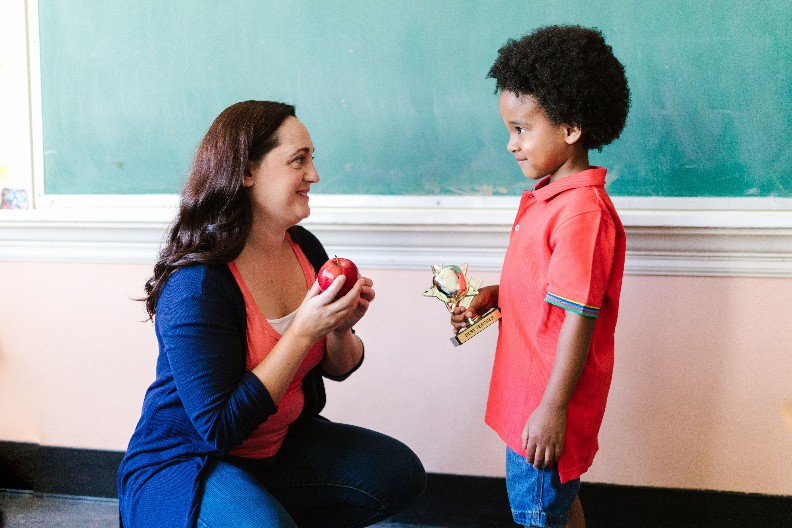
When school starts back up, many SLPs will have new students on their caseloads and will be meeting students returning from previous school years. One important part of doing therapy with any student is establishing rapport. Rapport is another word for the positive relationships that SLPs build with their students. It is the foundation of the progress students make in therapy.
Why is establishing rapport important?
Fundamentally, rapport is the basis of trust between SLPs and the students they serve. Without a relationship, students may not understand why they are working with an SLP in the first place, or they may be reluctant to participate in therapy activities. Ultimately, therapy is a collaboration between the SLP and the clients they serve to make progress on a client's goals. Without rapport, it becomes very challenging to achieve that collaboration.
How can SLPs establish rapport with students?
Get to know who your students are
When you're meeting a new student, spend time getting to know who they are. Learn more about their interests, their families, and what they like or dislike at school and at home. Games and get-to-know-you activities can lend themselves well to these kinds of conversations. Remember that you will continue to learn more about your students as you work with them throughout the school year. Building rapport takes time, and that's okay! Sometimes you may learn about who their friends are at school, their families at home, and what they do at school outside of the speech room. These conversations are opportunities to continue learning about who your students are.
When SLPs work with students, sometimes we run into moments of frustration, obstacles, or challenges. These are a natural part of doing speech therapy with clients. In those setbacks, continuing to maintain a fundamental level of respect, acceptance, and viewing our clients as people who are worthy of empathy and our support maintains rapport and the therapeutic alliance SLPs have with their clients.
Provide students with knowledge about what they're working towards
When working with students (older students especially), talk about the goals you're working on and why you're working on them in an age-appropriate manner. This not only empowers the student with knowledge, but gives them ownership and agency to participate in their therapy. Motivation plays a large role in success through all walks of life.
Activity Ideas to Build Rapport
- Get to know you activity worksheets for initial sessions
- Games or activities where conversation can also take place (e.g. question games, card games, drawing & talking activities)
- Talking about topics a client is interested that are appropriate for the therapy setting
- Positive reinforcer activities after a client finishes a therapy task or activity (e.g. games, puzzles, independent activities)
- Having conversations about events at school and at home, if the client is comfortable talking about these areas
Continue to build & maintain rapport throughout the relationship
Rapport isn't just built in the first few sessions. We build & maintain rapport with our clients throughout the course of treatment. While doing therapy activities with clients, remember that we are also continuing to build & grow our relationship with clients to support the therapy we're doing. Developing and maintaining rapport throughout the therapeutic relationship not only helps ground the progress clients make, but it also allows us to connect with and support them as people.
-Ian Quillen, M.S., CCC-SLP
Date
Share
Establishing Rapport
When school starts back up, many SLPs will have new students on their caseloads and will be meeting students returning from previous school years. One important part of doing therapy with any student is establishing rapport. Rapport is another word for the positive relationships that SLPs build with their students. It is the foundation of the progress students make in therapy.
Why is establishing rapport important?
Fundamentally, rapport is the basis of trust between SLPs and the students they serve. Without a relationship, students may not understand why they are working with an SLP in the first place, or they may be reluctant to participate in therapy activities. Ultimately, therapy is a collaboration between the SLP and the clients they serve to make progress on a client's goals. Without rapport, it becomes very challenging to achieve that collaboration.
How can SLPs establish rapport with students?
Get to know who your students are
When you're meeting a new student, spend time getting to know who they are. Learn more about their interests, their families, and what they like or dislike at school and at home. Games and get-to-know-you activities can lend themselves well to these kinds of conversations. Remember that you will continue to learn more about your students as you work with them throughout the school year. Building rapport takes time, and that's okay! Sometimes you may learn about who their friends are at school, their families at home, and what they do at school outside of the speech room. These conversations are opportunities to continue learning about who your students are.
When SLPs work with students, sometimes we run into moments of frustration, obstacles, or challenges. These are a natural part of doing speech therapy with clients. In those setbacks, continuing to maintain a fundamental level of respect, acceptance, and viewing our clients as people who are worthy of empathy and our support maintains rapport and the therapeutic alliance SLPs have with their clients.
Provide students with knowledge about what they're working towards
When working with students (older students especially), talk about the goals you're working on and why you're working on them in an age-appropriate manner. This not only empowers the student with knowledge, but gives them ownership and agency to participate in their therapy. Motivation plays a large role in success through all walks of life.
Activity Ideas to Build Rapport
- Get to know you activity worksheets for initial sessions
- Games or activities where conversation can also take place (e.g. question games, card games, drawing & talking activities)
- Talking about topics a client is interested that are appropriate for the therapy setting
- Positive reinforcer activities after a client finishes a therapy task or activity (e.g. games, puzzles, independent activities)
- Having conversations about events at school and at home, if the client is comfortable talking about these areas
Continue to build & maintain rapport throughout the relationship
Rapport isn't just built in the first few sessions. We build & maintain rapport with our clients throughout the course of treatment. While doing therapy activities with clients, remember that we are also continuing to build & grow our relationship with clients to support the therapy we're doing. Developing and maintaining rapport throughout the therapeutic relationship not only helps ground the progress clients make, but it also allows us to connect with and support them as people.
-Ian Quillen, M.S., CCC-SLP