
Date
Share
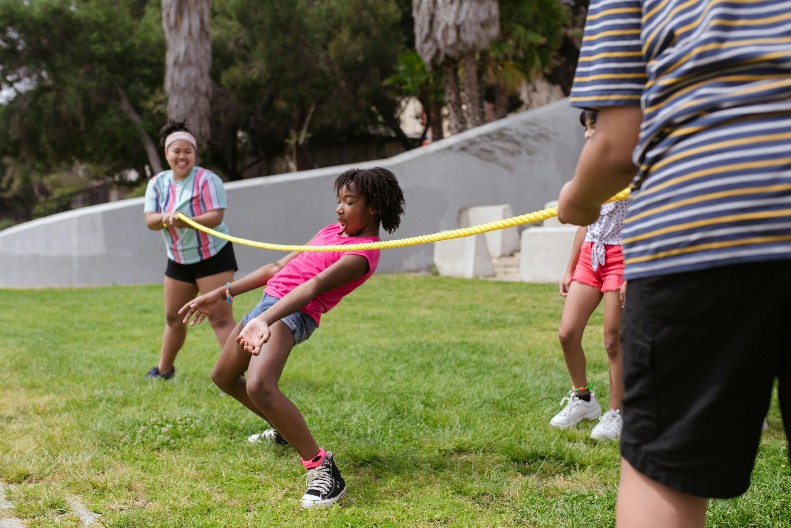
Field days can be such an exciting break for students who have persevered and have done hard work throughout the school year. They are full of movement, fun, and a break from everyday routine. For SLPs, it may feel like a disruption to the schedule, but with a few tips and a mindset shift, field day becomes a great naturalistic opportunity to do push-in speech therapy. Here are some ways to approach it effectively and intentionally.
Why Push-In During Field Day
Push-in therapy allows an SLP to see their students using real-world communication. Instead of pulling students away from a reward and highly motivating situation, you are able to meet them where they are socially, physically, and emotionally.
Field day naturally supports:
- Functional communication
- Social interactions
- Following directions in a dynamic context
- Problem solving
In other words, it is therapy being put into practice!
Set Clear (but Flexible) Goals
You might not be running drills or having a structured activity, but your goals can still guide and support therapy. Before heading out, identify 1-2 focus areas per student based on their individual needs. This might include:
- Using 3-4 word utterances for a variety of communicative purposes
- Practicing sounds using the environment
- Listening to conversational Speech
- Following multistep directions
Rethink Data Collection
While pushing in, data collection may look a little different, and that’s okay.
Try incorporating the following strategies:
- Take quick mental notes
- Keep a small notepad
- Jot down meaningful moments that you observe
- Focus on qualitative information (independence, conversations, generalization)
This information is all still guided and incredibly valuable for progress monitoring.
Final Thoughts
Push-in therapy during field day is less about rigidity and more about connection through communication. It’s about stepping into your student’s world and supporting communication where it truly matters—among peers, in motion, and in joy.
When you embrace the unpredictability by being flexible, you’ll find that some of the most meaningful therapy happens outside the therapy room.
-Hannah Collie M.S., CCC-SLP
Date
Share
Field days can be such an exciting break for students who have persevered and have done hard work throughout the school year. They are full of movement, fun, and a break from everyday routine. For SLPs, it may feel like a disruption to the schedule, but with a few tips and a mindset shift, field day becomes a great naturalistic opportunity to do push-in speech therapy. Here are some ways to approach it effectively and intentionally.
Why Push-In During Field Day
Push-in therapy allows an SLP to see their students using real-world communication. Instead of pulling students away from a reward and highly motivating situation, you are able to meet them where they are socially, physically, and emotionally.
Field day naturally supports:
- Functional communication
- Social interactions
- Following directions in a dynamic context
- Problem solving
In other words, it is therapy being put into practice!
Set Clear (but Flexible) Goals
You might not be running drills or having a structured activity, but your goals can still guide and support therapy. Before heading out, identify 1-2 focus areas per student based on their individual needs. This might include:
- Using 3-4 word utterances for a variety of communicative purposes
- Practicing sounds using the environment
- Listening to conversational Speech
- Following multistep directions
Rethink Data Collection
While pushing in, data collection may look a little different, and that’s okay.
Try incorporating the following strategies:
- Take quick mental notes
- Keep a small notepad
- Jot down meaningful moments that you observe
- Focus on qualitative information (independence, conversations, generalization)
This information is all still guided and incredibly valuable for progress monitoring.
Final Thoughts
Push-in therapy during field day is less about rigidity and more about connection through communication. It’s about stepping into your student’s world and supporting communication where it truly matters—among peers, in motion, and in joy.
When you embrace the unpredictability by being flexible, you’ll find that some of the most meaningful therapy happens outside the therapy room.
-Hannah Collie M.S., CCC-SLP