

Fig 1. Cover art by Clement Hurd for Goodnight Moon by Margaret Wise Brown, Harper Collins Publishers, 1947, Front cover.
Length: 34 pages
A particular therapy favorite amongst many of my students from my “SLP Library” of books is a story you might already know or have in your own personal storybook library at home. The book is called Goodnight Moon by Margaret Wise Brown. This book has been hailed by many as a children’s literary classic for years. It is a simple, and timeless story about bedtime and all of the things we might collectively experience as a part of our children’s bedtime routine. Although it might be a relatively quick read overall, this book is chock-full of language and articulation targets for our kiddos to practice and learn!
Here are some possible skills to target while incorporating this story:
Answering Wh-questions: Ask children various Wh-? Questions about scenes from the story (i.e. “What time of day is it?” or “Where does this story take place?”, etc.).
Asking/formulating yes/no and Wh-questions: Encourage children to come up with questions of their own about scenes/pictures in the story (i.e. After looking at the pictures, I might ask “Why is there a mouse running across the floor?”, “Can you come up with any questions about the pictures or the story?”, etc.).
Labeling verbs from pictures: Consider asking children to label the verbs pictured in the story (i.e. “What is the cow doing here? It is jumping!” or “What do you see the bears doing in this picture? They are sitting!”, etc.).
Identifying rhyming words to promote Phonological Awareness skills: After reading a page containing rhyming words, instruct children to find the words that sound the same at the end (rhyme) (i.e. “And two little kittens and a pair of mittens.” Ask children, “Can you find which words rhyme?” “Both kittens and mittens have the same sounds at the end. Kittens and mittens both rhyme!”
Identifying objects/places based on attributes/descriptors: Ask children specific questions about the pictures in the story using only descriptions as clues to what the item/object is (i.e. “I see a tiny little animal with big ears and a long tail and that likes to eat cheese.” What animal do you think is tiny, and has big ears and a long tail and likes to eat cheese? A mouse! A mouse is a tiny animal, with big ears and a long tail!”, etc.).
Spatial concepts: Emphasize prepositions, and vocabulary words that describe location: (i.e. Ask children “Do you see the cow jumping? Where is it jumping? It is jumping over the moon! Or “Where is the little bunny rabbit that’s wearing pajamas? In the bed, under the covers!”, etc.).
Inferencing: Asking children open-ended questions about clues provided in the story or previous background knowledge (i.e. “Look at the fireplace in the picture, do you think it’s warm or hot outside?” or “Where do you think the old lady went at the end of the story?”, etc.).
Combining words to expand upon utterances: Model 2–3-word utterances for children to imitate (i.e. “I see…cow jumping)”, “bears sitting”, etc.).
Promoting joint attention skills: While reading, instruct children to point to pictures of various animals, places, characters, etc.).
Incorporating the book with an AAC system: Model functional nouns and vocabulary words using an Augmentative Alternative Communication (AAC) system (i.e. “Look, the cow is jumping over the moon. Let’s practice navigating to farm animals using our AAC system to find a cow”, etc.).
Conversational turn-taking: Ask questions that facilitate back and forth statements and responses (i.e. “I like to read a book or watch t.v. before I go to sleep. “What do you like to do at bedtime?” etc.).
Targeting a wide variety of articulation of speech targets/goals: (i.e. early and later developing speech sounds, etc.).
References:
Brown, M.W. (1947). Goodnight Moon. (C. Hurd, Illus.) Harper Collins Publishers.
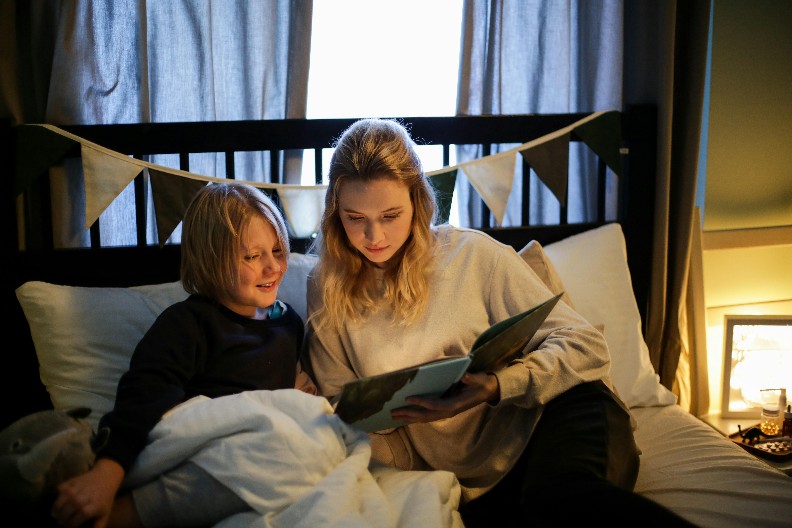
Fig 1. Cover art by Clement Hurd for Goodnight Moon by Margaret Wise Brown, Harper Collins Publishers, 1947, Front cover.
Length: 34 pages
A particular therapy favorite amongst many of my students from my “SLP Library” of books is a story you might already know or have in your own personal storybook library at home. The book is called Goodnight Moon by Margaret Wise Brown. This book has been hailed by many as a children’s literary classic for years. It is a simple, and timeless story about bedtime and all of the things we might collectively experience as a part of our children’s bedtime routine. Although it might be a relatively quick read overall, this book is chock-full of language and articulation targets for our kiddos to practice and learn!
Here are some possible skills to target while incorporating this story:
Answering Wh-questions: Ask children various Wh-? Questions about scenes from the story (i.e. “What time of day is it?” or “Where does this story take place?”, etc.).
Asking/formulating yes/no and Wh-questions: Encourage children to come up with questions of their own about scenes/pictures in the story (i.e. After looking at the pictures, I might ask “Why is there a mouse running across the floor?”, “Can you come up with any questions about the pictures or the story?”, etc.).
Labeling verbs from pictures: Consider asking children to label the verbs pictured in the story (i.e. “What is the cow doing here? It is jumping!” or “What do you see the bears doing in this picture? They are sitting!”, etc.).
Identifying rhyming words to promote Phonological Awareness skills: After reading a page containing rhyming words, instruct children to find the words that sound the same at the end (rhyme) (i.e. “And two little kittens and a pair of mittens.” Ask children, “Can you find which words rhyme?” “Both kittens and mittens have the same sounds at the end. Kittens and mittens both rhyme!”
Identifying objects/places based on attributes/descriptors: Ask children specific questions about the pictures in the story using only descriptions as clues to what the item/object is (i.e. “I see a tiny little animal with big ears and a long tail and that likes to eat cheese.” What animal do you think is tiny, and has big ears and a long tail and likes to eat cheese? A mouse! A mouse is a tiny animal, with big ears and a long tail!”, etc.).
Spatial concepts: Emphasize prepositions, and vocabulary words that describe location: (i.e. Ask children “Do you see the cow jumping? Where is it jumping? It is jumping over the moon! Or “Where is the little bunny rabbit that’s wearing pajamas? In the bed, under the covers!”, etc.).
Inferencing: Asking children open-ended questions about clues provided in the story or previous background knowledge (i.e. “Look at the fireplace in the picture, do you think it’s warm or hot outside?” or “Where do you think the old lady went at the end of the story?”, etc.).
Combining words to expand upon utterances: Model 2–3-word utterances for children to imitate (i.e. “I see…cow jumping)”, “bears sitting”, etc.).
Promoting joint attention skills: While reading, instruct children to point to pictures of various animals, places, characters, etc.).
Incorporating the book with an AAC system: Model functional nouns and vocabulary words using an Augmentative Alternative Communication (AAC) system (i.e. “Look, the cow is jumping over the moon. Let’s practice navigating to farm animals using our AAC system to find a cow”, etc.).
Conversational turn-taking: Ask questions that facilitate back and forth statements and responses (i.e. “I like to read a book or watch t.v. before I go to sleep. “What do you like to do at bedtime?” etc.).
Targeting a wide variety of articulation of speech targets/goals: (i.e. early and later developing speech sounds, etc.).
References:
Brown, M.W. (1947). Goodnight Moon. (C. Hurd, Illus.) Harper Collins Publishers.