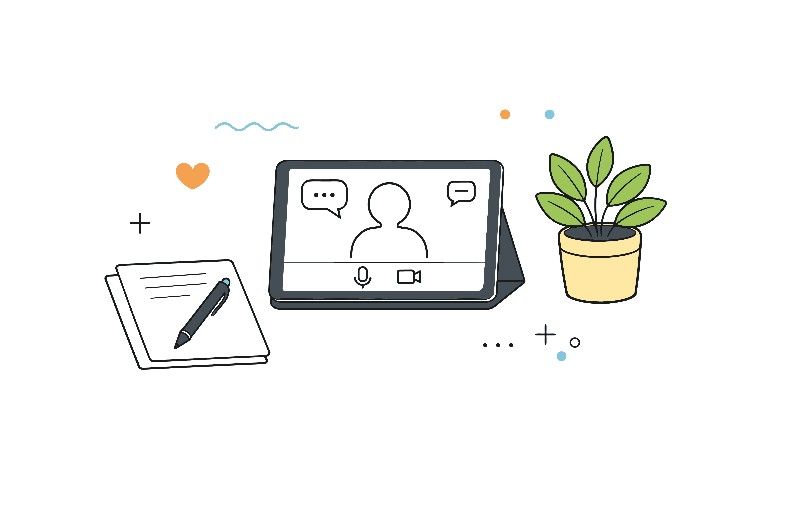
Need new ideas for telehealth sessions? Well, look no further! Check out these interactive and innovative websites that are designed to keep students focused during virtual sessions. Boom Cards Boomcards.com offers plenty of interactive flashcards with different activities. You can target sounds in all word positions, phonemic awareness, or even language activities such as WH-questions! You can also create your own Boom Cards tailored to specific lessons you would like to teach your students. Ultimate SLP The ultimateslp.com website provides activities for almost every speech and language goal. You can target articulation, fluency, language, social communication... you name it! Ultimate SLP has amusing activities such as board games, arcade games, and even dress-up games! Pinkcatgames Pinkcatgames.com is another fun website that allows you to create your own questions. You can play games like tic-tac-toe, bingo, online coloring pictures, unscramble and more! PBS Kids Do your students enjoy PBS shows such as Arthur, Sesame Street, and Curious George? PBSKids.org has episodes and games that your students can interact with and enjoy! ABCya! ABCya.com is a learning website for students that supports a wide range of ages and grade levels. This website includes goal-enriched games that will keep your students entertained. Baamboozle Baamboozle.com is a great website for group therapy sessions! Your students will really enjoy the super-cool GIFs the website provides with the activities. YouTube Youtube.com offers so many educational videos that are helpful for our clients. They can watch videos on “how to say the R sound (bunched)” with Peachie Speechie or you can even have a book read aloud by StoryTime at Awnie’s House. I encourage SLPs to take a deep dive into the teletherapy websites listed above and explore new ways to help students succeed in speech therapy! Va'Keria Miles, M.S., CCC-SLP

"Hoppy" Spring! Holidays and seasonal activities provide great opportunities to address your child's goals from speech therapy, whether you are working on articulation/producing speech sounds or understanding & using language to communicate. This article will review ideas for language goals. One example of a common spring material you can utilize is Plastic Easter eggs! Easter eggs offer endless possibilities when it comes to targeting goals in therapy or working on carryover/generalization of skills at home in natural settings. Easter eggs can be purchased in the spring at most retailers, especially dollar stores! Below are a few ideas to help you get started on using your Easter eggs, starting with language. Enjoy! Language If your child is working on imitating actions, gestures, and/or sign language: Scatter/hide eggs and go on an egg hunt. Model using an index finger point and clapping when you find and egg. Create a requesting opportunity by placing eggs in sight but slightly out of reach. Model actions easy for child to imitate: shaking the egg, opening the egg, putting it in a basket. Use core sign language: HELP open the egg, request MORE eggs, and be ALL DONE as you put each egg in the basket. Try simple, 1-step directions: PUT IN the basket, GIVE ME the egg, PICK UP the egg. If your child is working on using first words: Hide small objects in the eggs. You can then work on comprehension by having your child point or grab a named object, or label what you find inside! Continue creating requesting opportunities by hiding eggs in sight but out of reach and modeling core words. Use predictable verbal routines! You can utilize games such as an egg toss, egg race on a spoon, or a treasure hunt and model single words and phrases of both nouns and words. E.g., ready, set, GO! when throwing an egg! Let your child pick which egg they want to get next by requesting specific colors of eggs or small toys to put in the eggs. If your child is working on expanding their sentences: Expand every word or phrase your child says. "Found it," can become, "Look, I found the green egg!" Model basic vocabulary concepts such as location, colors, numbers, and size. For example, "The big egg is UNDER the table!" Create challenges with egg hiding by giving directions: "Put the 2 small eggs next to the TV!" Act out silly actions and pretend play with the eggs to model action words to increase verb usage. For example, "I am cracking my egg to cook! Now I am feeding baby the egg!" Enjoy! Sarah Larsen, M.S., CCC-SLP

"Hoppy" Spring! Holidays and seasonal activities provide great opportunities to address your child's goals from speech therapy, whether you are working on articulation/producing speech sounds or understanding & using language to communicate. This article will review ideas for speech goals. One example of a common spring material you can utilize is Plastic Easter eggs! Easter eggs offer endless possibilities when it comes to targeting goals in therapy or working on carryover/generalization of skills at home in natural settings. Easter eggs can be purchased in the spring at most retailers, especially dollar stores! Below are a few ideas to help you get started on using your Easter eggs, starting with speech. Enjoy! Speech These ideas can be adjusted to fit your child's individual needs. Some children may be working on their sounds in one word at a time, while others may be working on saying them in a few words, sentences, or in conversation. They may be working on a specific sound in a particular part of the word (beginning, middle, or end) or all parts of a word. Place picture cards containing your child's target sound in the eggs. Help your child name each picture and produce their target sound. Conduct an Easter egg hunt in your home or outside. Place a few small toys or candies in random eggs. Prompt your child to work on their sounds with each egg, keeping them motivated to find new treats! Create a "treasure map," with hidden Easter eggs. Before your child can get the next step/clue for their map, they must first use their targeted speech sounds. Play "egg toss," challenging your child to catch eggs with you or into an Easter basket. After each turn, create an opportunity to produce the target sound. Sarah Larsen, M.S., CCC-SLP